
How to Stop Snoring: 5 Natural Remedies Worth Trying
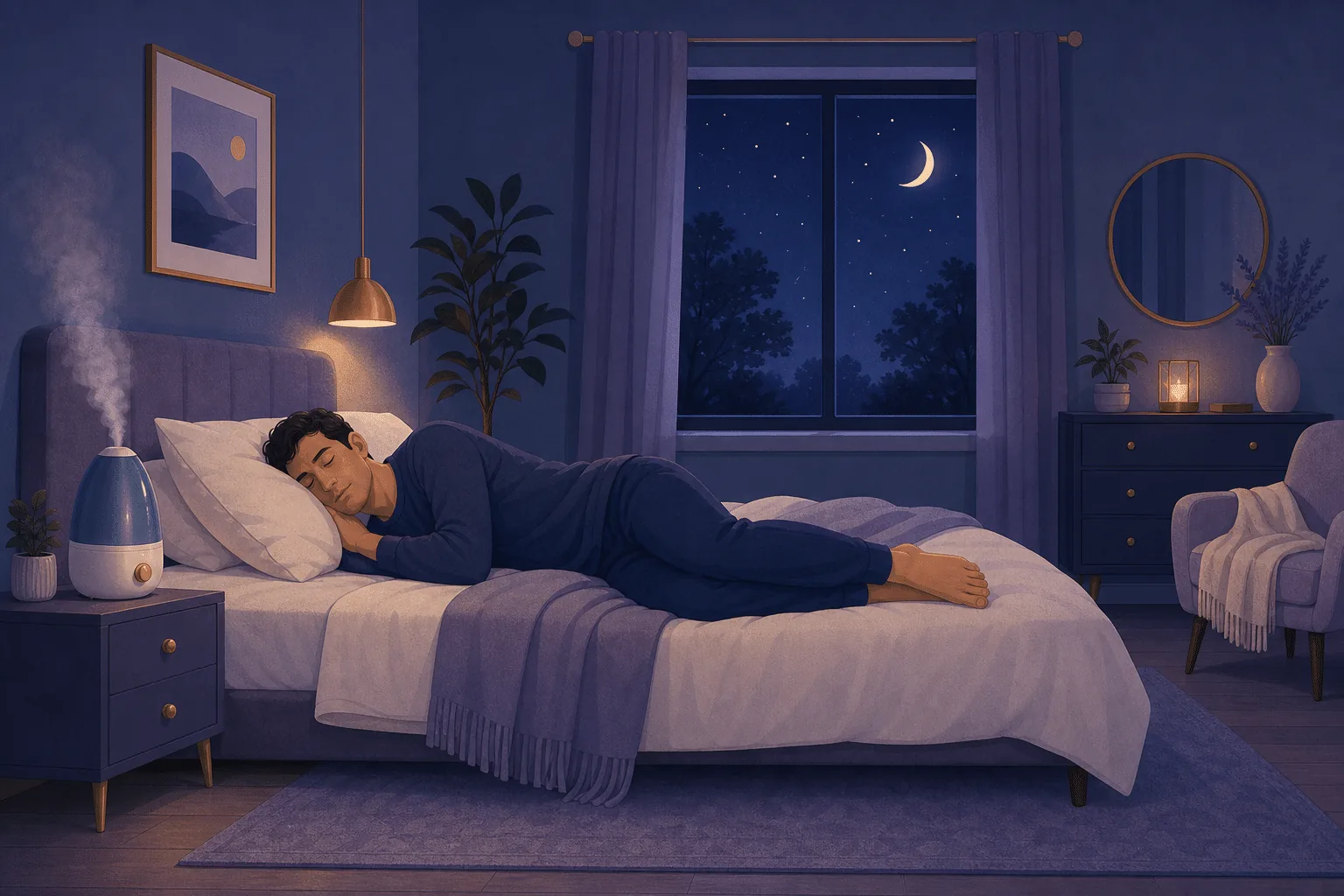
Around 57% of men and 40% of women snore, according to Sleep Foundation figures. If it is not you, it is probably the person sharing your bed.
Before you spend money on gadgets or procedures, it is worth learning how to stop snoring naturally. Most nightly snoring traces back to ordinary causes like sleep position, alcohol, congestion, and weight, and simple home remedies for snoring target exactly those causes.
None of these snoring remedies are guaranteed, but they are low-risk and cost little or nothing. One honest caveat first: loud, chronic snoring can be a sign of sleep apnea, and that needs a doctor.
How to Stop Snoring Naturally: Start With the Cause
Snoring is the sound of air squeezing through a narrowed airway. When throat muscles relax during sleep, soft tissue can partially block the passage, and air pushing past makes that tissue vibrate. That vibration is the noise.
Anything that narrows the airway makes it louder: back sleeping, alcohol, allergies, congestion, extra weight. The good news: every item on that list is something you can change at home. The five natural remedies for snoring below each target one of those causes.
1. Sleep on Your Side
If your partner swears you only snore on your back, believe them. Lying face up lets your tongue and soft palate fall backward and partially block the airway. That is why side sleeping sits at the top of Cleveland Clinic's list of snoring fixes.
A full-length body pillow gives you something to lean against. Some people sew a tennis ball into the back of their pajama top so back sleeping becomes uncomfortable. It sounds silly, but it works for some.
2. Cut Back on Evening Alcohol
Alcohol relaxes tongue and throat muscles more than normal sleep does, so even non-snorers often snore after a few drinks. It also changes the blood vessels in your nose, which adds resistance in the nasal passages.
Timing matters as much as quantity. The Sleep Foundation advises stopping alcohol at least three hours before bedtime, which makes a nightcap the worst offender. If you drink most evenings, try two alcohol-free weeks and ask your partner what changed.
3. Drink More Water During the Day
Honesty first: this remedy has the thinnest evidence of the five, and no major sleep organization lists dehydration as a proven cause of snoring. Still, the logic is simple. When you are low on fluids, the mucus in your nose and throat gets thicker and stickier, which does not help air move quietly.
Aim for around 8 cups of water a day, and drink most of it earlier so you are not up at 2am. If congestion is your bigger issue, saline rinses and nasal strips help you breathe through your nose instead of your mouth.
4. Clean Up Your Sleeping Environment
Dust, pet dander, and other airborne allergens irritate nasal passages and cause congestion. A blocked nose pushes you into mouth breathing, which makes snoring far more likely. Treating allergies and congestion is core Sleep Foundation advice for exactly this reason.
A few home remedies for snoring that start with the room:
- Wash bedding weekly in hot water
- Replace old pillows, which collect dust mites
- Keep pets out of the bedroom
- Dust ceiling fans, which spread allergens
- Consider an air purifier for known allergies
5. Ask Whether Weight Is Part of the Picture
Not every snorer carries extra weight, and plenty of people at higher weights never snore. But extra tissue around the neck can press on the airway and make it narrow more easily during sleep.
For people who do carry extra weight, the Sleep Foundation calls weight loss one of the first and most important snoring treatments. It notes that losing even a small percentage of body weight may help. Treat it as one factor among five, not a verdict.
When Natural Remedies Are Not Enough
Natural remedies for snoring help with straightforward, position-and-congestion snoring. They do not treat obstructive sleep apnea, a condition where breathing actually stops and restarts through the night.
See a doctor if any of these sound familiar:
- Your partner notices you stop breathing during sleep
- You wake up gasping or choking
- You feel exhausted during the day despite a full night in bed
- Your snoring is loud enough to be heard through walls or closed doors
These are classic warning signs of sleep apnea, which is treatable but needs a proper diagnosis, usually through a sleep study.
FAQ
Do nasal strips really stop snoring?
Nasal strips lift the sides of your nose to open the nasal passages, so they can help when snoring comes from congestion or a narrow nose. The Sleep Foundation notes they are less effective for snoring that starts deeper in the throat, which is the more common kind.
Do mouth and throat exercises work?
In a randomized trial published in the journal CHEST, three months of daily mouth and tongue exercises cut snoring frequency by 36% and snoring intensity by 59%. They take commitment, but they cost nothing.
What is the fastest way to stop snoring naturally?
For most people, sleeping on your side and skipping alcohol close to bedtime produce the quickest change, sometimes within a night or two. The other snoring remedies here, like allergen control and weight loss, take longer but add up.
Also on this site: Snoring vs sleep apnea: what is the difference | The 2 types of sleep apnea explained | How to get quality sleep
External resource: Mayo Clinic: Snoring Diagnosis and Treatment
Exploring natural approaches to better sleep? The Health Bandit guide covers some options that may be worth looking at. You can also grab the free guide here.