
Nighttime Leg Cramps: Why They Happen and What May Help
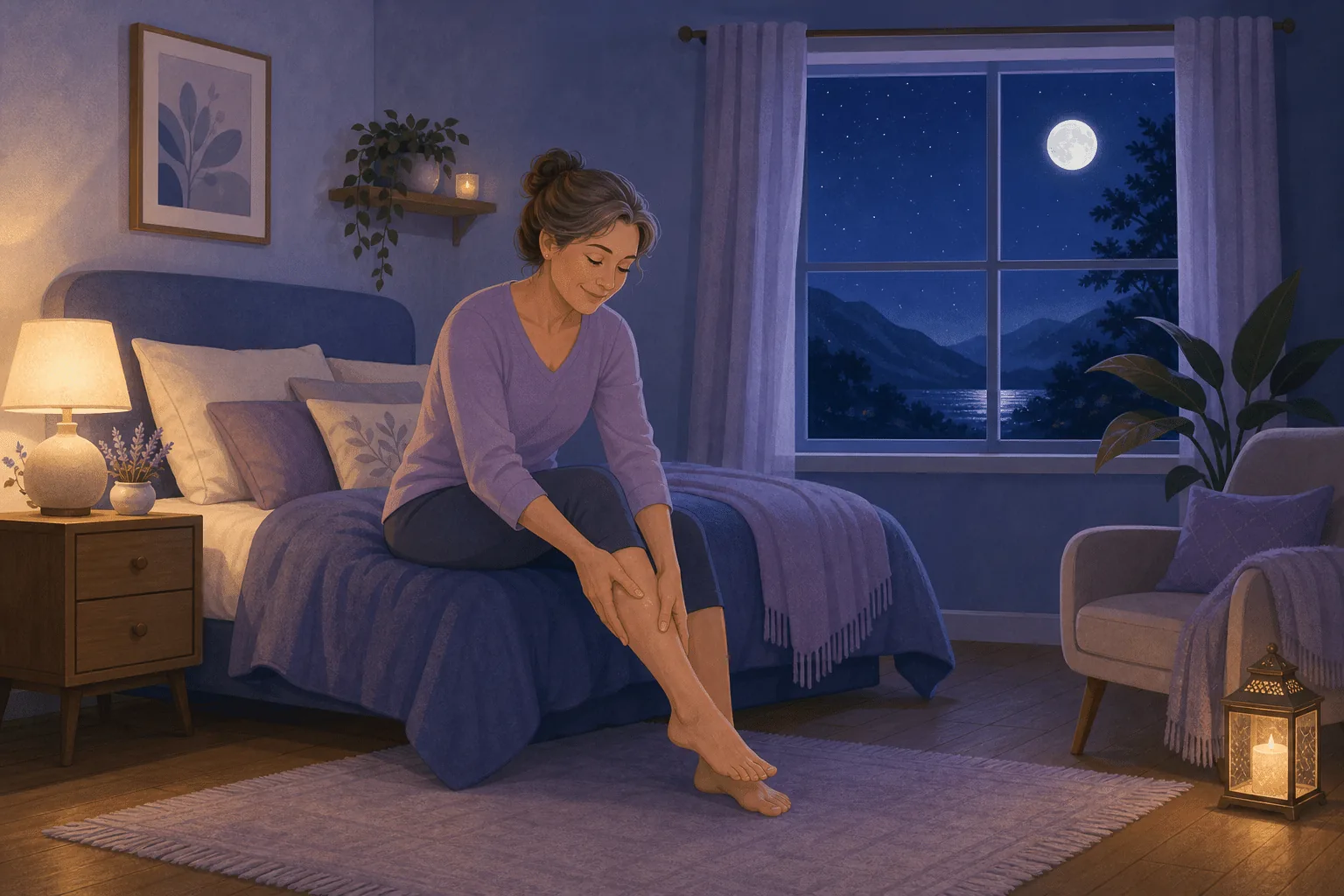
You are just drifting off when your calf seizes and yanks you wide awake. If that sounds familiar, you are in large company. Up to 60 percent of adults say they have had leg cramps at night, according to a review in American Family Physician, and they become more common with age.
No single fix works for everyone. Here is what the research actually says about nighttime leg cramps and what may help.
What Causes Leg Cramps at Night?
A cramp is an involuntary muscle contraction. The muscle tightens and refuses to let go for a few painful seconds, sometimes minutes. The calf is the most common target, though the foot and thigh can seize up too, and women get them slightly more often than men.
Here is the honest part: the exact cause is usually unknown. Low minerals get most of the blame, but the same American Family Physician review found that nighttime cramps are probably driven by muscle fatigue and nerve dysfunction rather than electrolyte problems. Aging matters too. The Cleveland Clinic notes that tendons naturally shorten with age, and that a third of people over 60 get nighttime leg cramps at least every two months.
Several things are associated with more frequent cramping:
- Certain medications. Diuretics, statins, and some antidepressants list leg cramps as a possible side effect. Mention any pattern to whoever prescribed them.
- Long stretches of sitting or standing. Staying in one position most of the day, or standing on hard floors, puts extra strain on the muscles in your legs.
- Flat feet or poor arch support. The Cleveland Clinic lists structural issues such as flat feet among the contributors.
- Pregnancy. Around 40 percent of pregnant women report leg cramps.
Does Magnesium Actually Help?
Magnesium is the most popular home remedy for cramps, so it deserves a straight answer. The trials are not encouraging. A 2020 Cochrane review of 11 randomized trials covering 735 people found no reduction in leg cramps from magnesium, whether the cramps were unexplained or pregnancy related. One small trial hinted at a benefit after 60 days of use, so longer courses have not been fully ruled out.
That does not make the mineral worthless. It supports hundreds of processes in the body, and food sources like leafy greens, almonds, and pumpkin seeds are worth eating regardless. If you are curious about magnesium for sleep specifically, see Does magnesium glycinate help you sleep. Check with a healthcare provider before adding any supplement, especially if you take medication.
How to Stop Leg Cramps at Night Before They Start
A two-minute routine before bed may cut down how many nights a cramp wakes you. These habits cost almost nothing:
- Stretch your calves before bed. Stretching has the best track record of the home remedies. The Sleep Foundation reports that a nightly stretching routine reduced cramps and leg pain after about six weeks.
- Stay hydrated through the day. The dehydration link is weaker than most people assume, but water supports muscle function and costs nothing.
- Move during the day. Long sitting is hard on circulation. A short walk every hour keeps blood moving through your legs.
- Check your footwear. Supportive shoes or inexpensive arch support insoles may help if flat feet are part of the picture.
What to Do When a Charley Horse Strikes
When a cramp hits at 2 a.m., the instinct is to curl up. Do the opposite. Flex your foot upward, pulling your toes toward your shin, and hold the stretch until the muscle lets go. Standing up and putting weight through the leg can also speed the release, and a gentle massage afterward may ease the leftover soreness.
When to Talk to a Doctor
Occasional nighttime leg cramps are common and usually harmless. But if they wake you regularly, last more than ten minutes, or come with swelling, numbness, or daytime leg pain, bring it up with your doctor. The Cleveland Clinic guide to leg cramps covers the warning signs in more detail.
FAQ
How do you stop leg cramps immediately?
Flex your foot up toward your shin and hold the stretch. Stand and put weight on the leg if you can. Most cramps release within a minute or two, though the muscle may stay tender.
Why do my legs ache at night when I lay down?
Aching without cramping can come from a long day on your feet, reduced circulation, or restless legs syndrome, a different condition marked by an urge to move rather than pain. Our guide to restless leg syndrome and sleep explains how to tell them apart.
Is pain in my calf after a cramp normal?
Mild soreness for a day or so is common after a strong charley horse. Pain that lingers or comes with swelling deserves a doctor's look.
Leg cramps at night are frustrating, but they are also very addressable. A nightly calf stretch, regular movement, and sensible hydration are the best supported places to start.
If better sleep is the bigger goal, the free Health Bandit Sleep Report covers natural approaches to better rest that many readers find a useful starting point.
Also on this site: How to get quality sleep